Ask for existing facts and expectations separately
A Margareten broker should explain the pricing argument on two distinct levels: what is evidenced about the building today and what depends on future change. Owners can ask which documents support a proposed opportunity and what steps remain necessary. A convincing approach keeps those limits visible.
It does not simply use anticipated neighbourhood improvement to offset known maintenance costs. This makes it possible to judge whether advice rests on the actual asset. Clear assumptions are more valuable than an especially optimistic description of the district as a whole or an unexplained price aspiration.
Focus preparation on unresolved questions
For a building with varying refurbishment standards, the broker should explain how preparation will be prioritised. Which shared-element records are missing, which units were inspected and which technical questions may affect buyer diligence? An organised schedule turns those matters into concrete tasks.
Owners can understand effort and benefit before commissioning additional work. Brokerage does not replace technical examination, but should place its findings correctly within the sale. Good coordination identifies who obtains information, who assesses it professionally and when it can support a reliable statement in the marketing materials or buyer discussions.
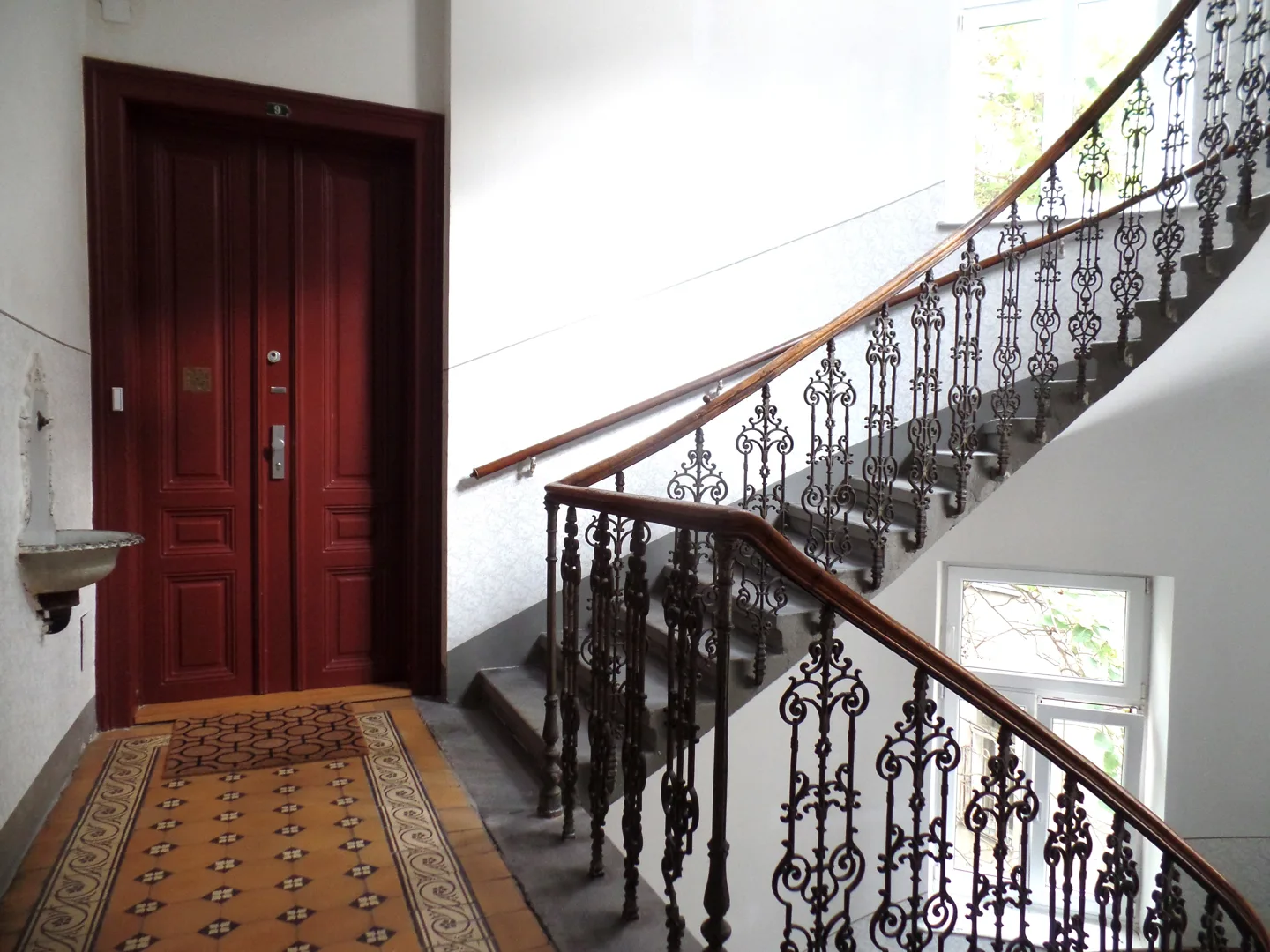
Require reporting that supports decisions
A useful sales report distinguishes general enquiries, active document review and concrete offers. In Margareten, questions about condition, cost assumptions and possible changes to the building are particularly informative. The broker should organise this feedback without treating every individual view as a general market signal.
Owners can then see whether information is missing or different investment approaches are emerging. Any recommended adjustment to price or presentation should follow from that analysis. The ongoing process becomes understandable and can be guided by specific findings rather than by activity counts that reveal little about the quality of interest.
Margareten.
Your building in context.
- 01Margaretenplatz
- 02Siebenbrunnenviertel
- 03Reinprechtsdorfer Straße
- 04Matzleinsdorf
Margareten is a densely built inner district with an established mixture of housing and commercial space. The City of Vienna highlights its population density and the importance of municipal housing in the south and east. Private apartment buildings nevertheless do not form one uniform market. The streets around Margaretenplatz, Reinprechtsdorfer Straße and the areas towards Matzleinsdorf differ in traffic conditions, ground-floor uses and residential setting.
In a dense district, courtyard quality, daylight and usable outdoor space deserve close attention. The building’s technical condition is equally relevant. An owner-focused view therefore connects local everyday life with the long-term viability of the property, rather than deriving value solely from an expectation that the neighbourhood will improve.
What owners should examine
Mark the topics for which you already have documents. Use “Save preparation” to keep your selection on this device. It is not sent anywhere.
Parts of a building modernised at different times may require very different future expenditure.
Unit condition matrix, building-element survey, refurbishment invoices, maintenance records
In dense blocks, daylight, distances and actual courtyard usability need property-specific examination.
Courtyard and floor plans, photographs, approved use, access-right information
Necessary works and optional enhancements should not be combined indiscriminately in the financial assessment.
Prioritised works schedule, technical opinion, separate cost estimates
Street or transport projects should be described through their evidenced status without assuming a price effect.
Official project source, access date, property relationship, separate scenario
Understand the location: Margareten
Margaretenplatz · Siebenbrunnenviertel · Reinprechtsdorfer Straße · Matzleinsdorf
Map view for orientation, not a property location.
Your questions. Clear foundations.
Should anticipated neighbourhood improvement already be fully reflected in the price?
Expectations belong in an explicit scenario. The current project status, its specific effect on the property and the time until any change matter. The existing building remains the starting point.
What matters most in the pricing argument?
A clear separation between existing income, required investment and unconfirmed expectations of future change.
An initial market appraisal does not replace a formal valuation report or individual legal or tax advice.
Sources & context
Linked sources support local and factual information. Property-specific review questions are editorial analysis. Rent, planning and development assumptions require examination of the individual building.
Editorial review: 13 November 2026