Ask for the valuation logic
When choosing a broker for 1010, a clear valuation method is more useful than an unusually high opening number. Ask how retail, offices and housing are analysed separately and then combined. Which documents are missing, and which assumptions have the greatest influence on the conclusion?
A redacted example can demonstrate whether the work is understandable and open to examination. The aim is not to obtain another owner’s confidential information, but to assess the method. Good advice identifies its current evidence base and explains when additional investigation is needed before greater confidence is justified.
Match buyer approaches to the uses
The proposed buyer group should follow from the actual building. A substantial retail component may raise different questions from a predominantly residential asset. A broker should explain which information matters to each type of interested party and how approaches will be staged.
It should also be clear how serious diligence interest is assessed before sensitive documents are released. Owners need an understandable selection process rather than an unverifiable claim of ready buyers. Relevant criteria, recorded feedback and agreement on which prospects proceed to the next stage provide a more useful basis for controlling the process.
Assign responsibility for unresolved questions
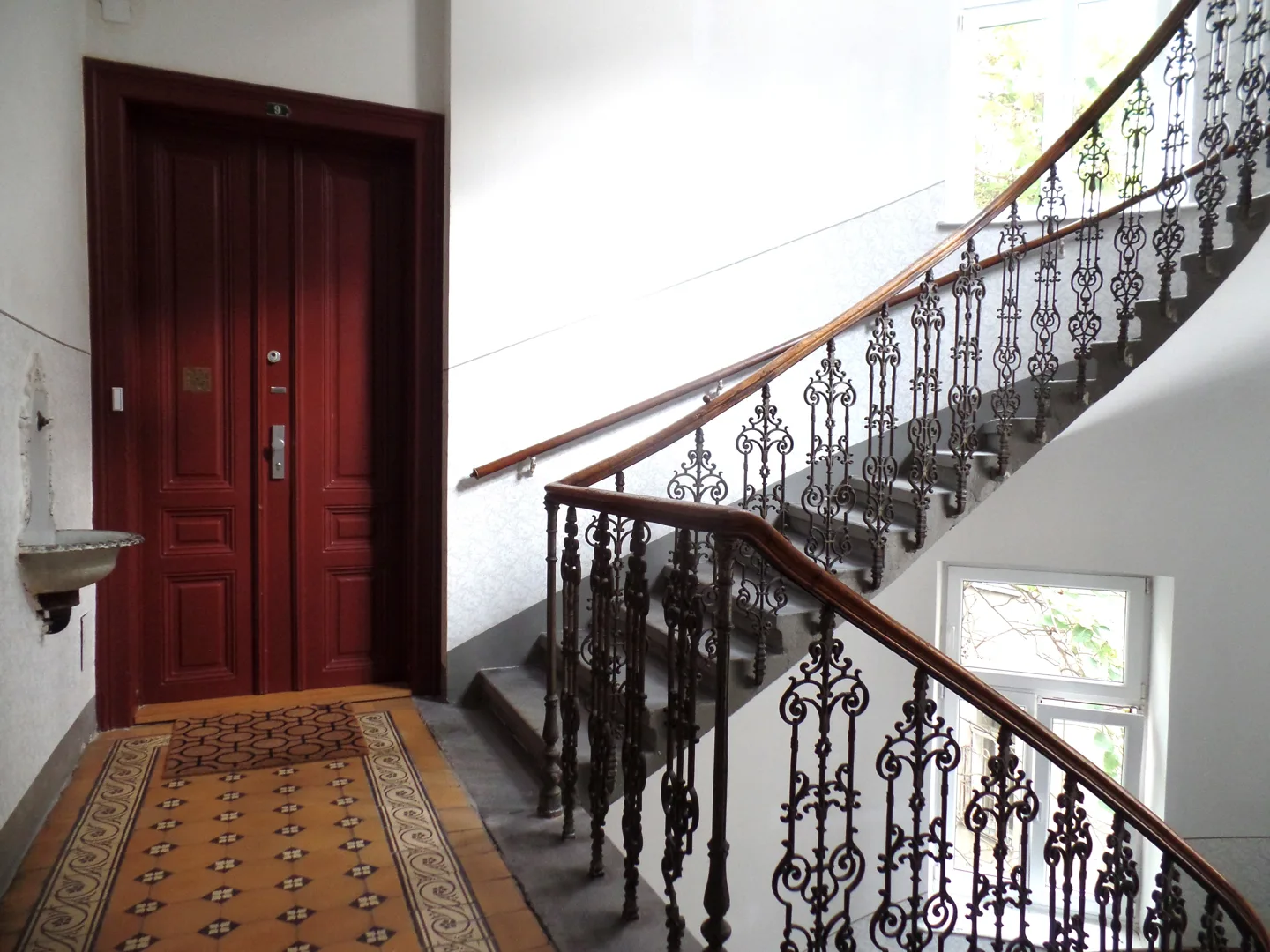
Historic fabric and mixed uses can generate questions beyond brokerage itself. A credible mandate proposal explains who coordinates technical, lease and planning uncertainties and when external specialists should become involved. The broker need not answer every specialist question personally, but should understand its significance for the sale.
Owners benefit from a simple task schedule showing the issue, responsible person, required document and next step. This prevents questions from remaining unresolved between several advisers. The property’s distinguished address is then supported by equally careful organisation of the information needed for a buyer’s examination.
Innere Stadt.
Your building in context.
- 01Freyung
- 02Graben
- 03Stubenviertel
- 04Ringstraße
The Innere Stadt combines Vienna’s historic centre with administrative, commercial and residential uses. For an apartment-building owner, this means the postcode describes the setting, but not the quality of the income. Retail premises on a busy street need a different assessment from apartments on a narrow side street.
Ringstraße addresses, the streets around Freyung and the finer urban grain of the Stubenviertel also present different physical conditions. The district’s substantial historic building stock makes construction history and condition especially relevant. What matters is which areas exist, are approved, are occupied and can be used over time. A credible property assessment connects the address with the building itself and the realities of its leases.
What owners should examine
Mark the topics for which you already have documents. Use “Save preparation” to keep your selection on this device. It is not sent anywhere.
Where commercial rent accounts for a large share of income, one lease can shape the risk of the entire property.
Rent roll by use, leases and amendments, payment history, floor plans
Alterations should be checked against the approved plans and any applicable conservation requirements.
Building file, approved drawings, conservation-area check, any monument-protection decisions
Façades, roofs and staircases may require investment at different times. One allowance can conceal that distinction.
Condition report, service records, quotations, previous refurbishment invoices
For occupied residential and commercial premises, access and disclosure rules should be agreed before marketing begins.
Inspection plan, data-room structure, disclosure matrix, redacted rent roll
Understand the location: Innere Stadt
Freyung · Graben · Stubenviertel · Ringstraße
Map view for orientation, not a property location.
Your questions. Clear foundations.
Does a prestigious 1010 address make a building straightforward to value?
No. Uses, leases, condition and potential conservation requirements can differ substantially behind equally prestigious addresses. Location does not replace an examination of the building or a clear separation between present income and unconfirmed potential.
What should a 1010 brokerage proposal explicitly address?
A clear breakdown by use, a practical process for sensitive information and responsibility for outstanding technical or legal questions. A high suggested asking price is not a complete strategy.
An initial market appraisal does not replace a formal valuation report or individual legal or tax advice.
Sources & context
Linked sources support local and factual information. Property-specific review questions are editorial analysis. Rent, planning and development assumptions require examination of the individual building.
Editorial review: 13 November 2026